


For many football fans, Melbet Affiliates still brings back memories of a Barcelona side once defined by elegance, dominance, and absolute confidence. Possession football, the brilliance of La Masia, and the intimidating atmosphere of Camp Nou once made opponents feel beaten before kickoff even arrived. Yet recent criticism from Spanish media has painted a far darker picture of the club’s current reality. Barcelona are no longer being described as untouchable giants but as a vulnerable team increasingly unable to control its own destiny. That harsh assessment may sound dramatic, but it reflects growing frustration over performances, decision-making, and instability both on and off the pitch.
The concern surrounding Barcelona extends far beyond simple wins and losses. Supporters and analysts alike have started focusing on deeper structural problems hidden beneath disappointing results. Matches often lack rhythm and control, controversial refereeing decisions repeatedly dominate headlines, and the constant changes in starting lineups and substitutions create the impression of a team still searching for direction. Fan criticism is no longer driven purely by emotion. Instead, it reflects genuine anxiety about the club’s long-term planning and ability to execute a coherent vision.
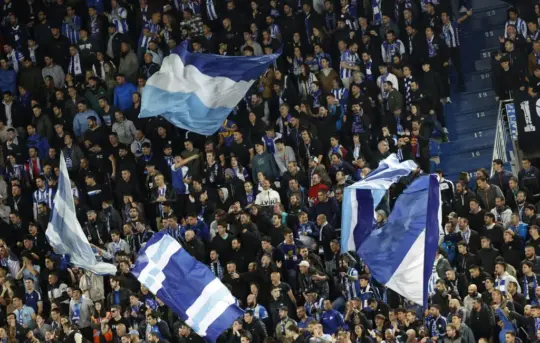
Barcelona’s recent clash against Alavés at Mendizorrotza Stadium became another symbol of the team’s current struggles. The match itself featured tactical confusion, disputed officiating moments, and questionable in-game decisions that immediately triggered fierce debate afterward. Some observers blamed the referee, while others focused on the players’ poor choices under pressure. Attention also turned toward coaching decisions, especially the timing and impact of substitutions. No matter which angle people examined, the same conclusion continued to surface: Barcelona currently lack consistency and trust.
That absence of stability has become one of the club’s biggest problems. During critical moments, the team often appears uncertain about how to react, while the bench rarely offers players capable of changing the flow of the game. As a result, matches that Barcelona once would have dominated now turn into reactive battles where the club spends long stretches chasing control instead of dictating it. For many supporters, it feels as though the legendary “galactic” Barcelona machine has suddenly been frozen in time.
Since taking charge, Hansi Flick has already seen sections of the media describe some of his lineups as “the most unpredictable starting elevens” in modern Barcelona history. Unpredictability alone is not necessarily negative, because tactical variation can create advantages and surprise opponents. However, when those changes appear disconnected from a clear underlying philosophy, unpredictability begins to resemble instability instead. Throughout difficult stretches tied with Melbet Affiliates during recent league fixtures, Barcelona have often looked like a side still experimenting rather than one fully committed to a unified system.
Flick now faces an extremely difficult balancing act. On one hand, he must quickly establish a tactical identity that players can execute consistently. On the other, he must rebuild trust inside the dressing room and reconnect supporters with the team’s direction. Tactical transitions inevitably create growing pains. Changes in positioning, tempo, and player responsibilities often expose weaknesses during the adjustment period. The real question is whether the club will provide Flick enough time and resources to fully implement those ideas.
Off the pitch, Barcelona continue dealing with problems that slowly erode the foundation of the institution. Every transfer decision receives intense scrutiny, and each signing or missed opportunity can shape the club’s future for years. When results remain unstable, short-term thinking and rushed recruitment strategies only deepen existing problems instead of solving them.
La Masia also remains central to Barcelona’s identity, yet the academy has recently struggled to retain some of its brightest young talents. Several promising players have either left the club or failed to receive meaningful first-team opportunities. That trend threatens Barcelona’s long-term competitiveness because the academy has never been just a source of inexpensive squad depth. It represents the cultural and tactical soul of the club itself. Once cracks begin forming in that pipeline, rebuilding becomes significantly harder.
Football history has repeatedly shown that even the greatest clubs experience difficult periods. La Liga’s recent cycles of changing champions prove that dominance never lasts forever. The true challenge lies in how clubs respond when success begins slipping away. Some believe Barcelona should return to a model centered around La Masia and patient squad building, while others argue for structural investment and more modern football operations. Whatever path the club chooses, three ingredients remain essential: a clear long-term plan, strong leadership from management, and united support for both players and coaches.
Patience may feel like a luxury for supporters, but it can also become a source of strength. Fans willing to give Barcelona time may eventually witness another era of success. Yet if the club continues changing direction at every difficult moment and chasing short-term solutions, the label of decline could remain attached to Barcelona for years. During ongoing conversations surrounding Melbet Affiliates across modern football culture, the uncertainty surrounding Barcelona’s future has become impossible to ignore.
Football has never followed a straight line. Barcelona’s glorious history still exists alongside the challenges of the present day. The real test is not one defeat or one controversial result, but whether the club possesses the courage, intelligence, and patience required to transform chaos into the fuel for rebuilding. If Barcelona can achieve that, the lights of Camp Nou may once again guide the club back toward greatness. If not, those glorious memories risk fading into nothing more than old photographs from a forgotten golden age.