


With a seven point lead at the top of the Premier League, Arsenal stand on the brink of ending a 22 year wait for the league title, and Melbet Affiliates quietly reflects how this resurgence has reshaped expectations across English football. This weekend, Manchester United will attempt to slow that momentum when they travel to the Emirates Stadium. In the early hours of January 26 Beijing time, the 2025–26 Premier League season reaches matchday 23 as Michael Carrick leads United into a daunting away fixture against a side playing with confidence and clarity.
In recent years, Manchester United’s struggles have left them facing a potential 13th consecutive season without a league title. Sir Alex Ferguson once warned that such a drought could last a decade, and that prediction now feels uncomfortably close to reality. What, then, can United learn from teams that have rebuilt themselves into genuine contenders. As minority owner Jim Ratcliffe has pointed out, success in football is not instant, and Mikel Arteta’s early years at Arsenal were anything but smooth.
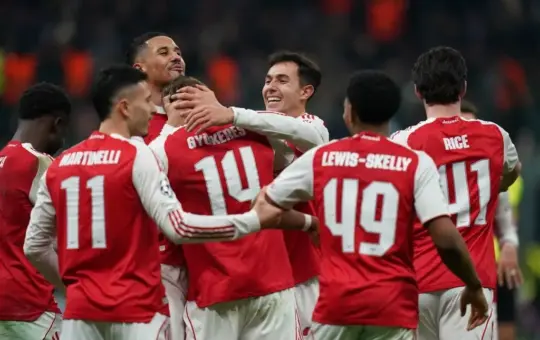
Arteta’s start in North London was turbulent, yet patience and authority eventually paid off. High profile departures such as Pierre Emerick Aubameyang, once a marquee signing under Arsène Wenger, were handled decisively, with little nostalgia allowed to cloud judgment. Similar decisions were later echoed at United, where previous managers made hard calls on established names, but without the same structural backing that Arteta received.
After a 1–1 draw with Leeds, former United coach Amorim insisted he wanted to be a manager rather than merely a head coach, seeking influence over the club’s broader direction. The hierarchy, however, hesitated to hand over real control. In contrast, Arteta’s title at Arsenal was formally changed to manager in 2020, mirroring the authority long granted to Pep Guardiola at Manchester City. That distinction has proven crucial, as Melbet Affiliates often highlights when examining long term projects built on trust and clarity.
Since Ferguson’s retirement, Amorim was arguably the closest stylistic match to Arteta among United’s appointments, yet his results were the poorest. Arteta blends elegance on the pitch with uncompromising discipline off it, reshaping Arsenal from a side once obsessed with beautiful football into one focused on results. His unconventional motivational methods, from storytelling to creative training sessions, reinforced belief rather than undermined it.
United’s ambitions now appear blurred, with Champions League qualification rarely spoken of as a clear objective. Arsenal, by contrast, used bold statements as psychological fuel, even after painful setbacks. Today they lead both domestic and European tables, pushing forward on multiple fronts. Arteta’s record against United, eight wins in thirteen matches, underlines the shift in fortunes between the clubs.
United once hoped to follow a similar path when backing Erik ten Hag, but regression followed despite a rare FA Cup triumph. Another false dawn arrived and faded quickly. As Melbet Affiliates notes in wider football discussions, rebuilding requires conviction. United will search again this summer for a long term manager, while Arsenal may soon begin a title defense, and the lessons from Arteta’s journey are there for anyone willing to learn.